
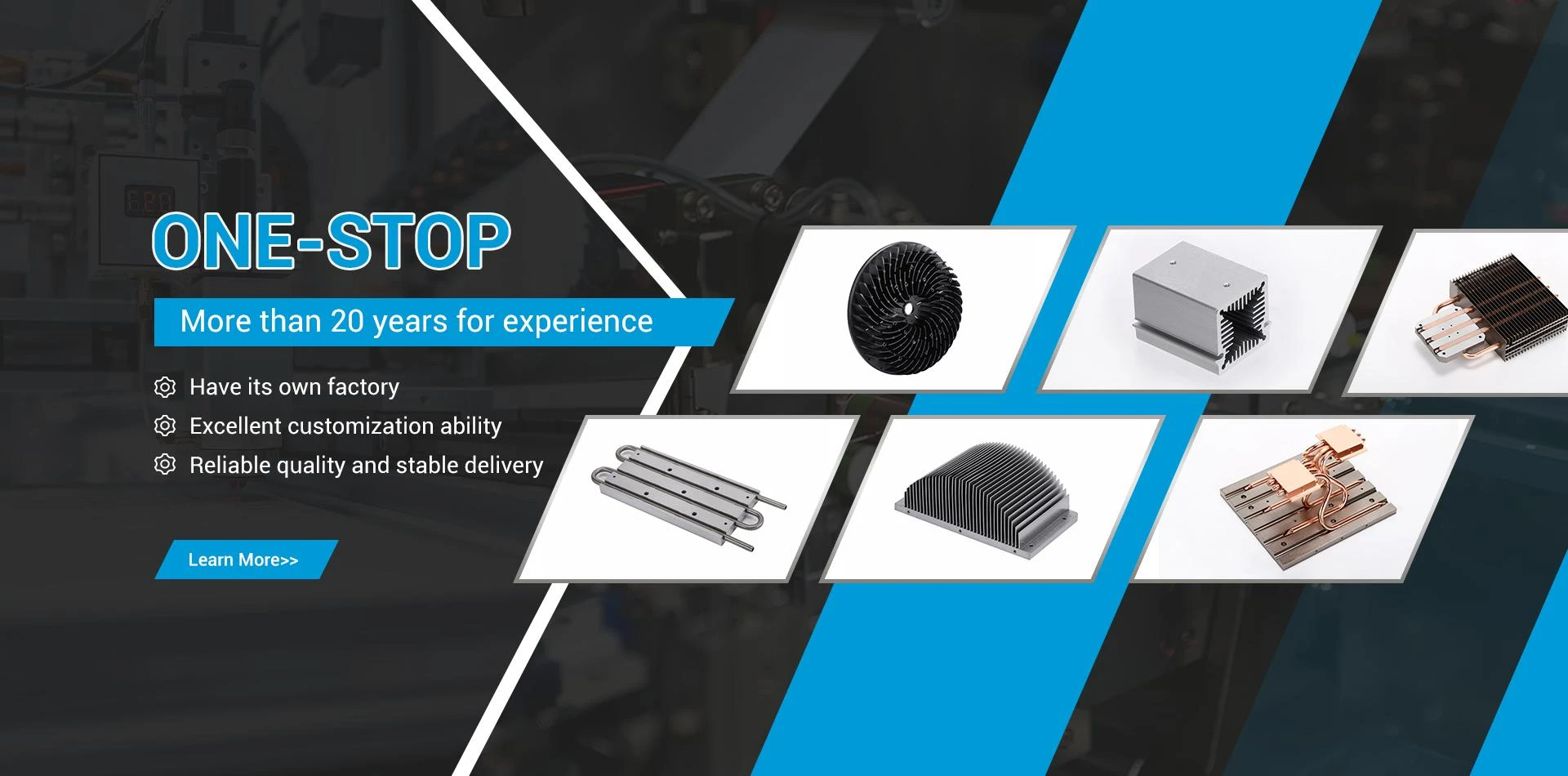
Embedded-tube liquid cooling plate
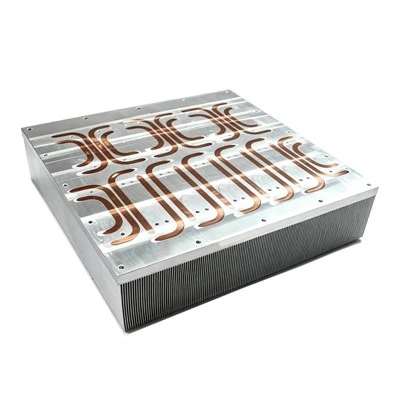
Grooves are machined into a metal substrate (such as an aluminum plate), and copper or aluminum tubes are embedded and sealed via welding or bonding. While simple in structure and low in cost, this type features a longer heat conduction path and higher thermal resistance, making it suitable for low-to-medium power applications.
Brazed liquid cooling plate
Sealed flow channels are formed by vacuum-brazing multiple metal plates together. This design offers flexibility in channel layout, low thermal resistance, and high pressure-bearing capacity. It is currently the mainstream type of high-performance liquid cooling plate, widely used in electric vehicles and electronic equipment.
Roll-bonded (inflation-formed) liquid cooling plate
Flow channels are created by inflating metal sheets with high-pressure gas. This method offers low costs and high production efficiency; however, the material tends to be softer with lower pressure resistance and structural strength, making it suitable for applications with modest pressure requirements, such as home appliances.

Friction stir welded liquid cooling plate
Primarily used for manufacturing large, complex, or irregularly shaped liquid cooling plates (such as base plates for new energy vehicle battery packs). Friction stir welding (FSW) is used to join a base plate (with machined channels) and a cover plate in a solid state. This process yields high weld strength and minimal deformation, involves no filler material contamination, and is ideal for welding large-sized plates.
Stamped liquid cooling plate
These plates are made from thermally conductive metal sheets (such as aluminum or copper). Two metal layers-featuring stamped flow channel structures-are formed using molds and then joined via brazing, diffusion bonding, or friction stir welding (FSW) to create enclosed channels. This method is highly efficient and cost-effective, making it ideal for mass production.