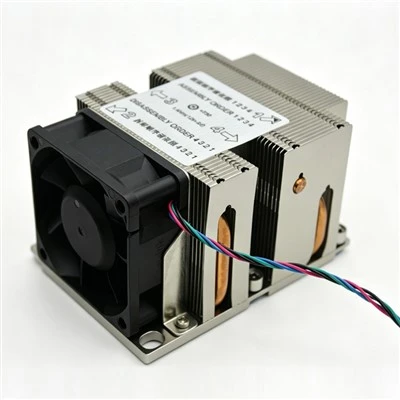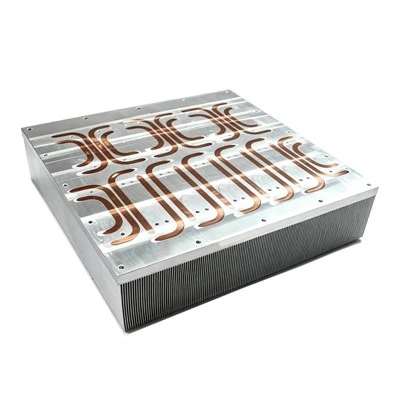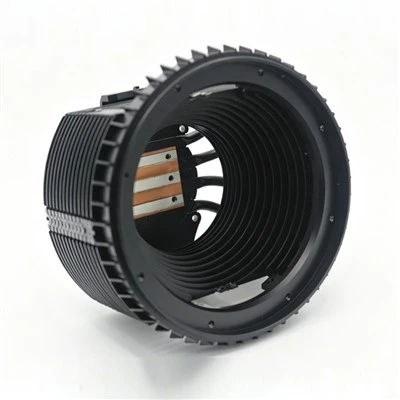

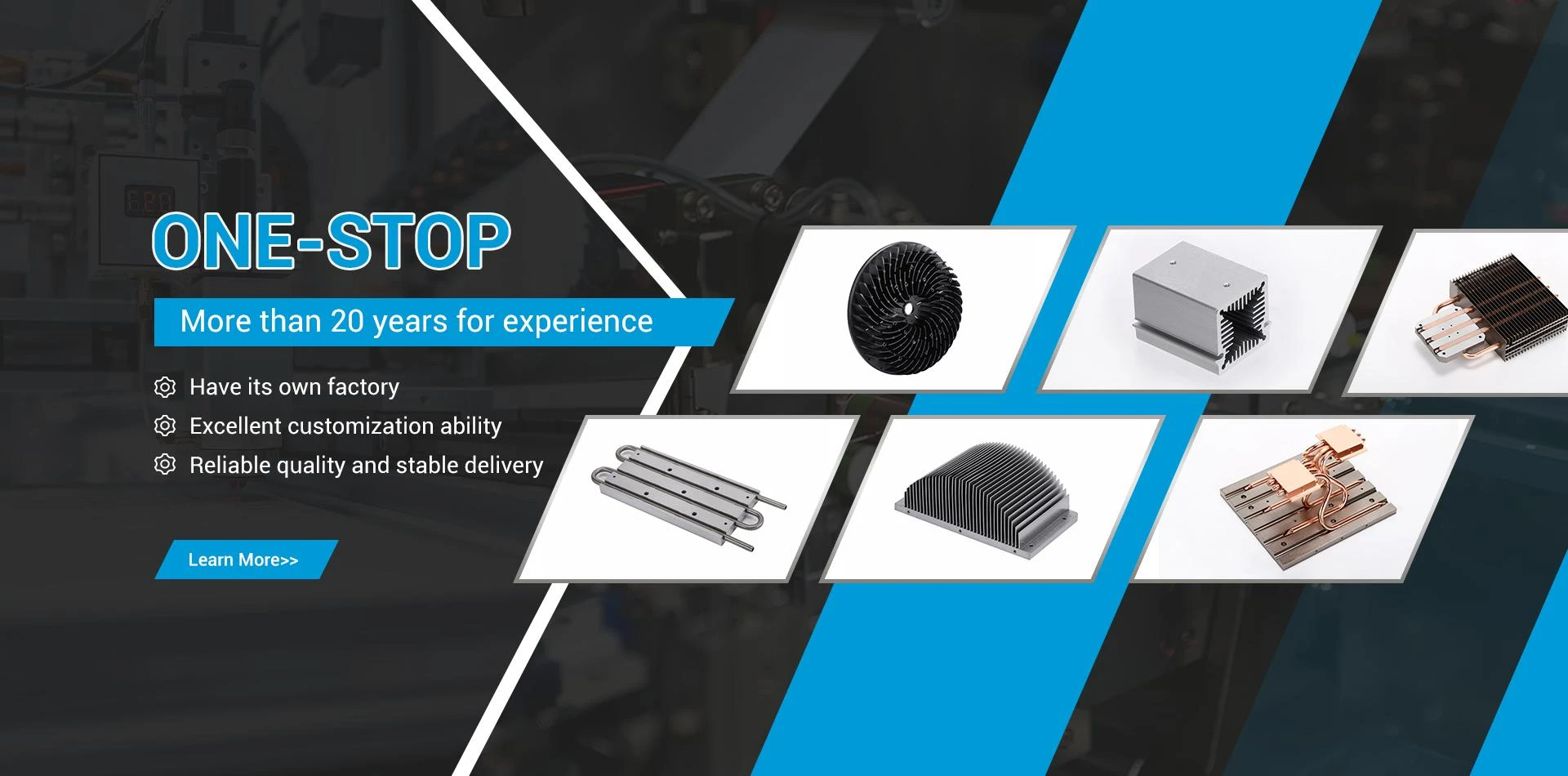
A heat pipe heat sink consists of a sealed tube, a wick structure, and a vapor channel. The wick lines the inner wall of the sealed tube and is saturated with a volatile liquid-such as distilled water, ammonia, methanol, or acetone. Heat sinks charged with fluids like ammonia, methanol, or acetone maintain excellent heat dissipation capabilities even at low temperatures.
During operation, the evaporator section of the heat sink absorbs heat generated by a heat source (such as a power semiconductor device), causing the liquid within the wick to boil and turn into vapor. This heated vapor travels from the evaporator section to the condenser section; upon transferring its heat to the condenser section, the vapor condenses back into a liquid. The condensed liquid then returns to the evaporator section via capillary action within the wick, and this cycle repeats continuously to dissipate heat.