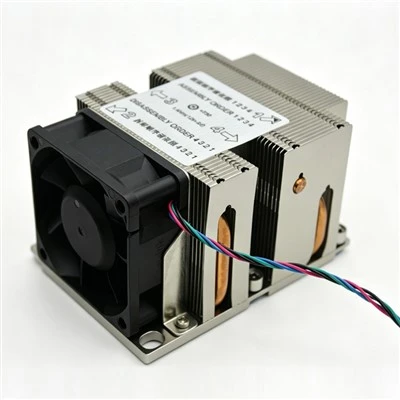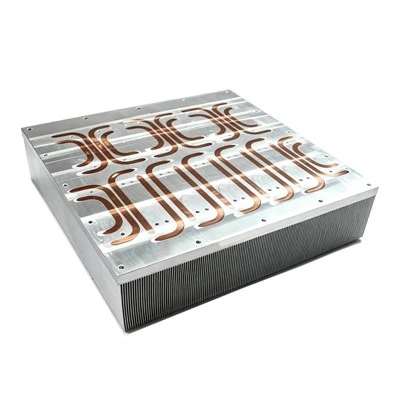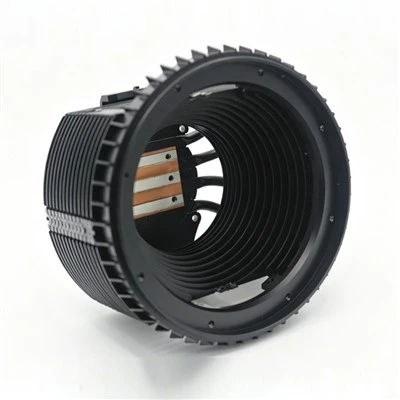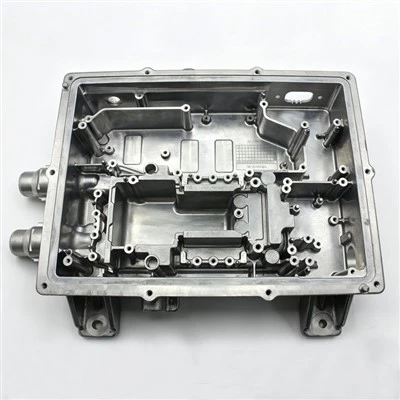

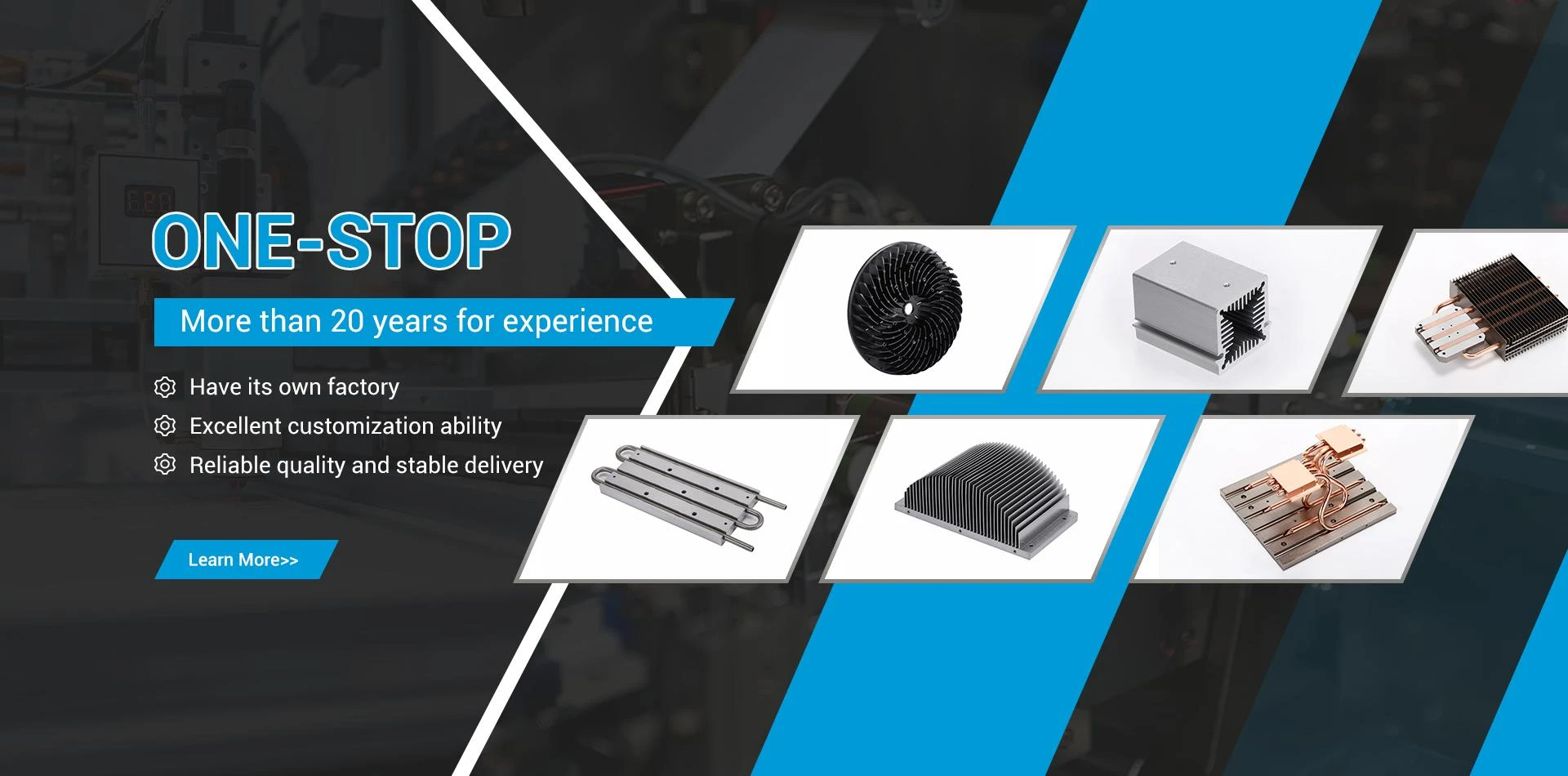
Liquid cooling plates-a highly efficient thermal management technology-play a pivotal role across numerous sectors. Through unique structural designs, they effectively enhance heat dissipation efficiency, providing stable thermal support for a wide range of equipment. Below, we explore the concept and construction of liquid cooling plates to help you better understand this technology.
1. A liquid cooling plate (also known as a water cooling plate) is a device specifically engineered for heat dissipation. It comprises multiple components, including thermal modules, cooling coils, connection plates, pumps, and reservoirs. By circulating water or another cooling medium, the device absorbs and carries away heat generated by components, thereby achieving effective cooling.
2. Liquid cooling plates feature a complex internal structure, typically meticulously assembled from multiple layers-such as an inner circuit board, a heat dissipation plate, a flow channel plate, and an outer casing. The inner circuit board supports electronic components and utilizes a thin-film coating to enhance thermal dissipation capabilities. The heat dissipation plate serves as the core thermal component; crafted from specially selected metals, it rapidly conducts heat. Meanwhile, the flow channel plate directs the cooling medium into the cooling coils, facilitating the cooling of central components.

Working Principle of Liquid Cooling Plates
Liquid cooling plates operate by using a pump to draw the cooling medium from the reservoir and circulate it through the interior of the heat dissipation plate. As the medium flows through the coils, it absorbs heat. The heated medium is then pumped back to the reservoir, where it is cooled down again. This continuous cycle ensures efficient heat dissipation. Thanks to their superior thermal performance, liquid cooling plates are frequently used to maintain core components at lower temperatures, thereby enhancing equipment stability and reliability.