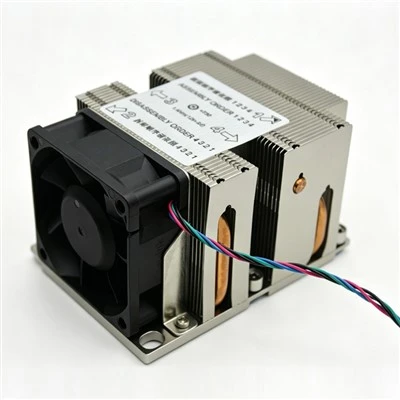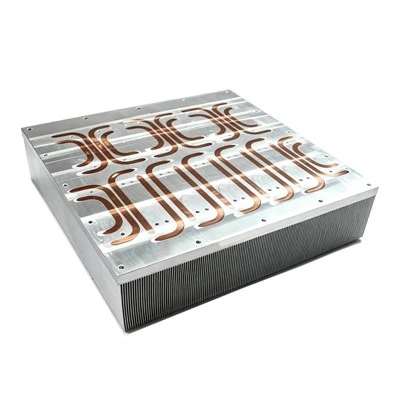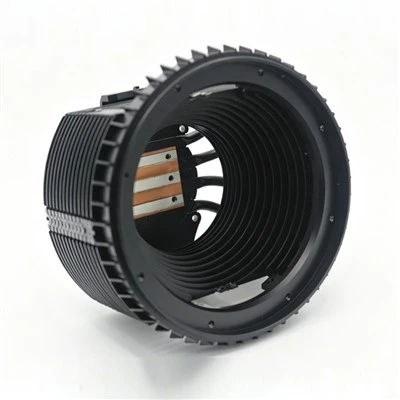

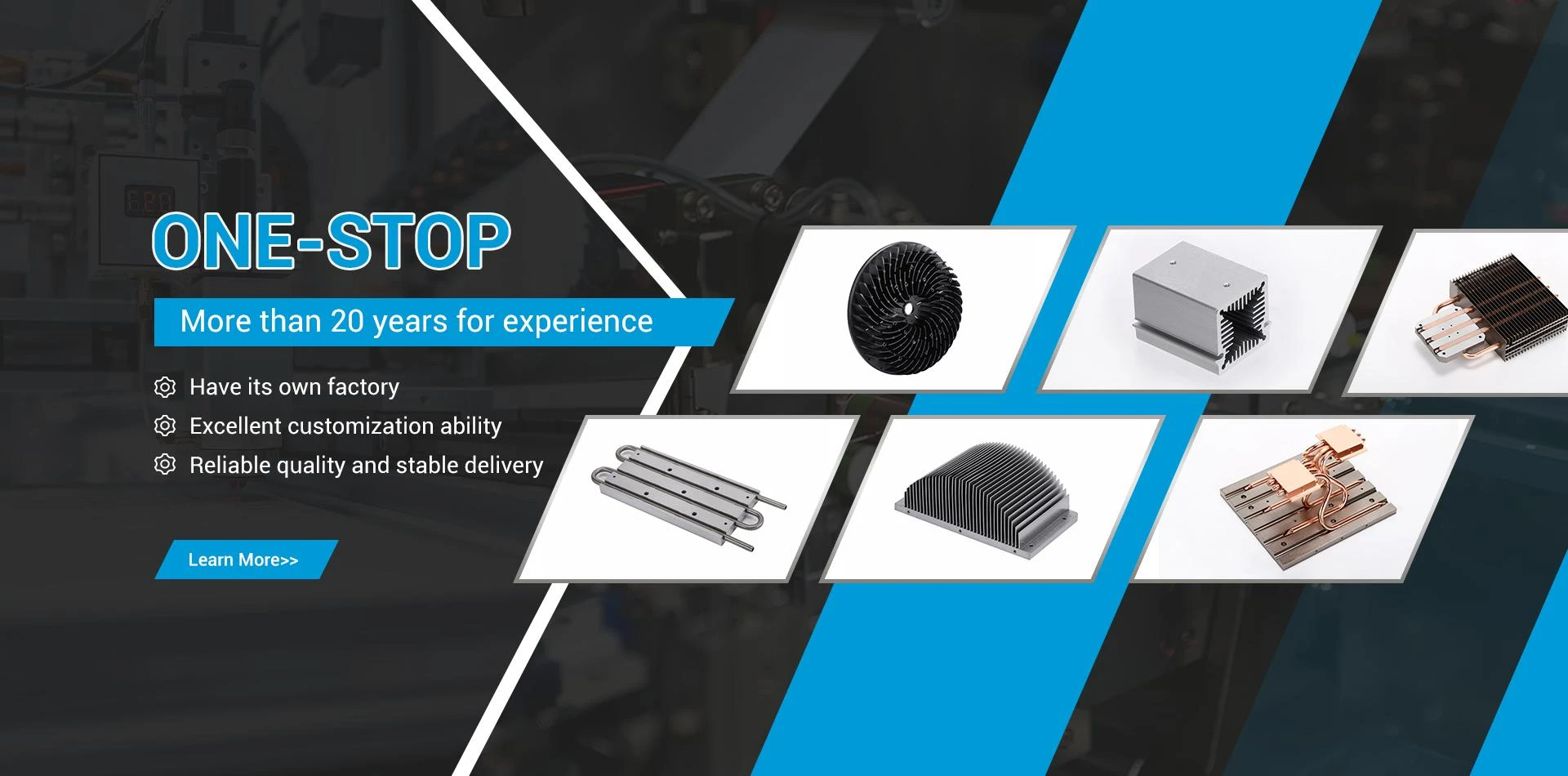
Heat pipe coolers are widely used in electronic devices-particularly for CPU cooling-as a highly efficient thermal management solution. They operate on the principle of phase change, facilitating efficient heat transfer through the evaporation and condensation of a low-boiling-point coolant sealed within the heat pipes under negative pressure.
When selecting a heat pipe cooler, the primary consideration is matching the cooler's performance to the CPU's requirements. For low-to-medium power CPUs-such as those in office PCs or general-purpose home computers-a six-heat-pipe air cooler is often a cost-effective choice. These coolers meet basic thermal needs while remaining relatively affordable.
However, for high-performance CPUs found in gaming PCs or workstations, a high-end air cooler or a liquid cooling system is recommended. High-performance CPUs generate significant heat during operation; inadequate cooling can lead to performance throttling or system instability. Liquid coolers dissipate heat through circulating coolant, offering superior efficiency and ensuring the stable operation of high-performance processors.
Beyond performance matching, brand reputation and manufacturing quality are crucial factors. Prioritize products from well-known brands; these manufacturers typically employ mature production techniques and rigorous quality control, ensuring uniform heat dissipation and long-term reliability. Avoid generic or "no-name" coolers, as manufacturing defects can lead to uneven cooling or premature failure.
Additionally, consider the cooler's dimensions and compatibility. Ensure the chosen model fits your PC case and motherboard to avoid installation issues caused by size mismatches. You may also want to consider noise levels, opting for a low-noise design to enhance your overall user experience.
Finally, consult industry standards and user reviews when making your selection. Industry standards guarantee baseline performance and quality, while user reviews provide insight into real-world performance and product reputation. By weighing these factors, you can select a heat pipe cooler that best meets your specific needs.