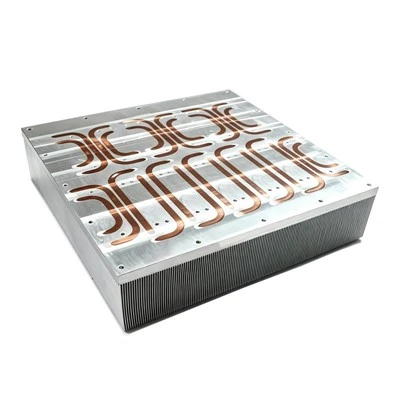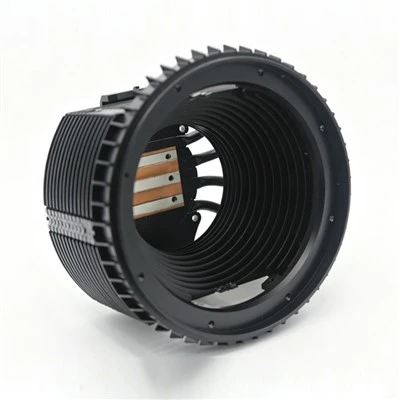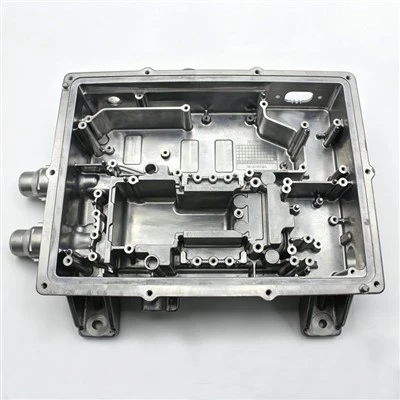


Vapor chamber materials: Thermally conductive metals are typically used.
A vapor chamber is a heat dissipation device designed to rapidly spread heat, thereby preventing damage to electronic equipment caused by overheating. The materials used in a vapor chamber are crucial to its performance.
The primary thermally conductive metals used in vapor chambers include copper and aluminum. These metals possess excellent thermal conductivity, allowing them to rapidly transfer heat and dissipate it into the air via the cooling assembly. Copper offers exceptional thermal conductivity, making it a widely used material in high-end vapor chamber products. However, aluminum is also a common choice due to its lighter weight and relatively lower cost. Additionally, some advanced vapor chambers may utilize composite metal materials to further enhance thermal conductivity and overall structural strength.
Beyond metals, vapor chambers may incorporate auxiliary materials-such as thermal interface materials (TIMs) like thermal silicone or thermal pads-to fill microscopic gaps between metal surfaces and improve overall heat transfer efficiency. The selection of these auxiliary materials depends on specific application needs and design requirements.
In summary, vapor chambers primarily utilize thermally conductive metals like copper and aluminum to facilitate rapid heat transfer and dissipation. Auxiliary materials may also be employed to enhance heat transfer efficiency. The selection and optimization of these materials are critical to ensuring the performance of the vapor chamber.